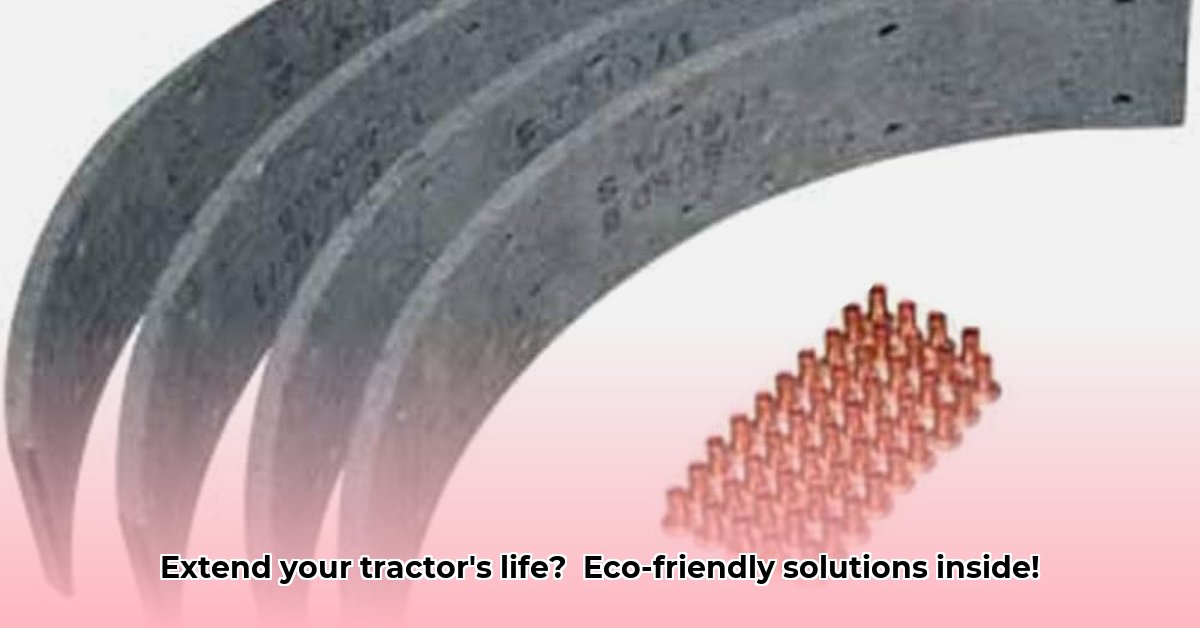
Revitalizing Tractor Cab Interiors: A Sustainable Approach to Modern Farming
Imagine a farmer, weathered and worn, slumped in the cracked vinyl seat of their aging tractor. The sun beats down, the steering wheel is sticky with sweat, and the persistent rattle of loose components adds to the daily grind. This isn't just discomfort; it's a significant factor impacting productivity, health, and the overall sustainability of their operation. But what if restoring the tractor cab's interior wasn't merely about aesthetics? What if it was a crucial step toward a greener, more efficient, and ultimately more profitable farming future? This article explores the growing importance of revitalizing tractor cab interiors—a process we'll call "tractor lining"—as a cornerstone of sustainable agriculture.
More Than Just a Cosmetic Upgrade: The Benefits of Tractor Lining
Replacing a worn-out tractor cab is often seen as solely a cosmetic issue. However, the reality is far more impactful. A well-maintained cab interior significantly improves operator comfort, safety, and productivity. Think about these key benefits:
- Improved Operator Well-being: A comfortable, ergonomic cab reduces fatigue, enhances focus, and minimizes the risk of musculoskeletal injuries. Isn't a healthier farmer a more productive farmer?
- Enhanced Productivity: A well-maintained cab minimizes distractions and allows for more efficient work. This subtle improvement can translate to a substantial increase in output over time.
- Extended Equipment Lifespan: Proactive maintenance and refurbishment add years to the life of your tractor, delaying the need for a costly—and environmentally damaging—replacement.
- Reduced Environmental Impact: By extending the lifespan of existing equipment, tractor lining significantly reduces the demand for new manufacturing, minimizing resource consumption and waste. Isn't this the heart of sustainable agriculture?
The Market for Sustainable Cab Refurbishment: A Growing Opportunity
While precise market data on sustainable tractor cab refurbishment is still developing, the demand is undeniable. Many parts suppliers report a significant increase in requests for replacement and upgrade components. This points to a burgeoning market opportunity for eco-friendly solutions. However, the absence of standardized quality measures and comprehensive data on environmental impact presents a challenge. The industry needs collaborative efforts to establish clear guidelines and promote sustainable practices.
Stakeholder Perspectives: A Collaborative Approach
The transition to sustainable cab refurbishment requires a collaborative effort involving multiple stakeholders. Each plays a crucial role in driving the necessary changes:
| Stakeholder | Short-Term Goals (Within a Year) | Long-Term Vision (3-5 Years) |
|---|---|---|
| Parts Suppliers | Develop and market high-quality, environmentally friendly materials. | Lead the development of industry-wide standards for sustainable lining. |
| Farmers/Ag Businesses | Evaluate the cost-benefit analysis of refurbishment versus new cabs. | Integrate proactive maintenance of cabs into routine farm management. |
| Tractor Manufacturers | Design cabs for easier maintenance and part replacement. | Incorporate sustainable materials into new cab designs; promote circular economy. |
| Government Agencies | Offer incentives and subsidies for sustainable refurbishment. | Develop regulations that support the use of eco-friendly cab materials. |
| Research Organizations | Conduct studies on the lifecycle environmental impact of cab refurbishment. | Investigate and develop new, even more sustainable materials for tractor lining. |
Challenges and Opportunities: Paving the Way for Sustainable Solutions
A major hurdle is the lack of standardized quality control and data on the environmental impact of various lining materials. This makes it difficult to accurately assess the long-term benefits. However, the potential rewards are significant. Further research into eco-friendly materials, robust industry partnerships, and supportive government policies can unlock the full potential of sustainable tractor lining.
A Sustainable Future: Extending the Life of Our Equipment and Our Planet
By prioritizing sustainable tractor lining and cab refurbishment, we can contribute to a healthier, more environmentally responsible agricultural sector. It’s a win-win-win: extending equipment lifespan, reducing waste, and minimizing environmental impact. This is a journey that requires collaborative innovation at all levels—farmers, manufacturers, researchers, and policymakers all have a crucial role to play in shaping a more sustainable future for agriculture.
Actionable Steps for Sustainable Tractor Cab Refurbishment
- Assess Your Cab's Condition: Conduct a thorough inspection of your tractor cab's interior, identifying areas needing repair or replacement.
- Research Sustainable Materials: Explore eco-friendly lining materials such as recycled fabrics, bio-based polymers, and sustainable insulation options.
- Source Reputable Suppliers: Partner with suppliers committed to sustainable manufacturing practices and high-quality materials.
- Implement a Refurbishment Plan: Develop a step-by-step plan for revitalizing your cab interior, prioritizing ease of maintenance and durability.
- Monitor and Evaluate: Track the impact of your refurbishment, both in terms of cost savings and environmental benefits.
Key Takeaways:
- Investing in sustainable tractor cab refurbishment is a cost-effective and environmentally responsible approach to maintaining agricultural equipment.
- Improved operator comfort, safety, and productivity directly contribute to increased efficiency and profitability.
- Collaborative efforts across the agricultural sector are vital to establish industry standards and promote the widespread adoption of sustainable practices.